Like this article? Support us by subscribing here. Your donation will help us continue to provide quality-of-life news and make local impact possible.
By Erin Pittman
Science isn’t just for the classroom—it’s a hands-on adventure you can dive into right at home. Whether
your child is just learning to talk or prepping for college, science projects offer a fun, messy, and mind-blowing way to explore how the world works. And the best part? You don’t need fancy equipment—just a bit of curiosity and a few supplies from around the house.
Ready to bring out the inner scientist in every member of your family (and get a jump on any looming science fairs)? Here’s a collection of engaging science projects for all ages.
PRESCHOOL SCIENTISTS (Ages 3–5)
Project: Rainbow Walking Water
Concept: Capillary action and color mixing
What You Need:
• 6 clear cups
• Paper towels
• Food coloring (red, yellow, blue)
• Water
How To Do It:
Fill three of the cups halfway with water and add a few drops of food coloring—red in one, yellow in another, blue in the third. Arrange the cups in a circle or a line, alternating full and empty cups. Roll paper towels into strips and place one end in a cup of colored water and the other end in an empty cup. Wait and watch as the water “walks” along the paper towels and blends to create new colors.
Why It’s Cool: It’s a mesmerizing way to introduce young minds to color theory and how liquids can move—even without being poured.
ELEMENTARY SCHOOL SCIENTISTS (Ages 6–10)
Project: Balloon-Powered Car
Concept: Newton’s Third Law of Motion (for every action, there’s an equal and opposite reaction)
What You Need:
• A balloon
• A plastic straw
• Tape
• 4 bottle caps (for wheels)
• Cardboard or recycled material for the car base
• Wooden skewers or straws for axles
How To Do It:
Tape the straw to the top of your cardboard base. Attach the wheels using skewers and bottle caps (poke holes carefully for the axles). Blow up the balloon, pinch it closed, and tape it to the straw. Set the car down, release the balloon, and zoom—it’s race time!
Why It’s Cool: It combines crafting and physics, and it encourages kids to think like engineers.
MIDDLE SCHOOL SCIENTISTS (Ages 11–13)
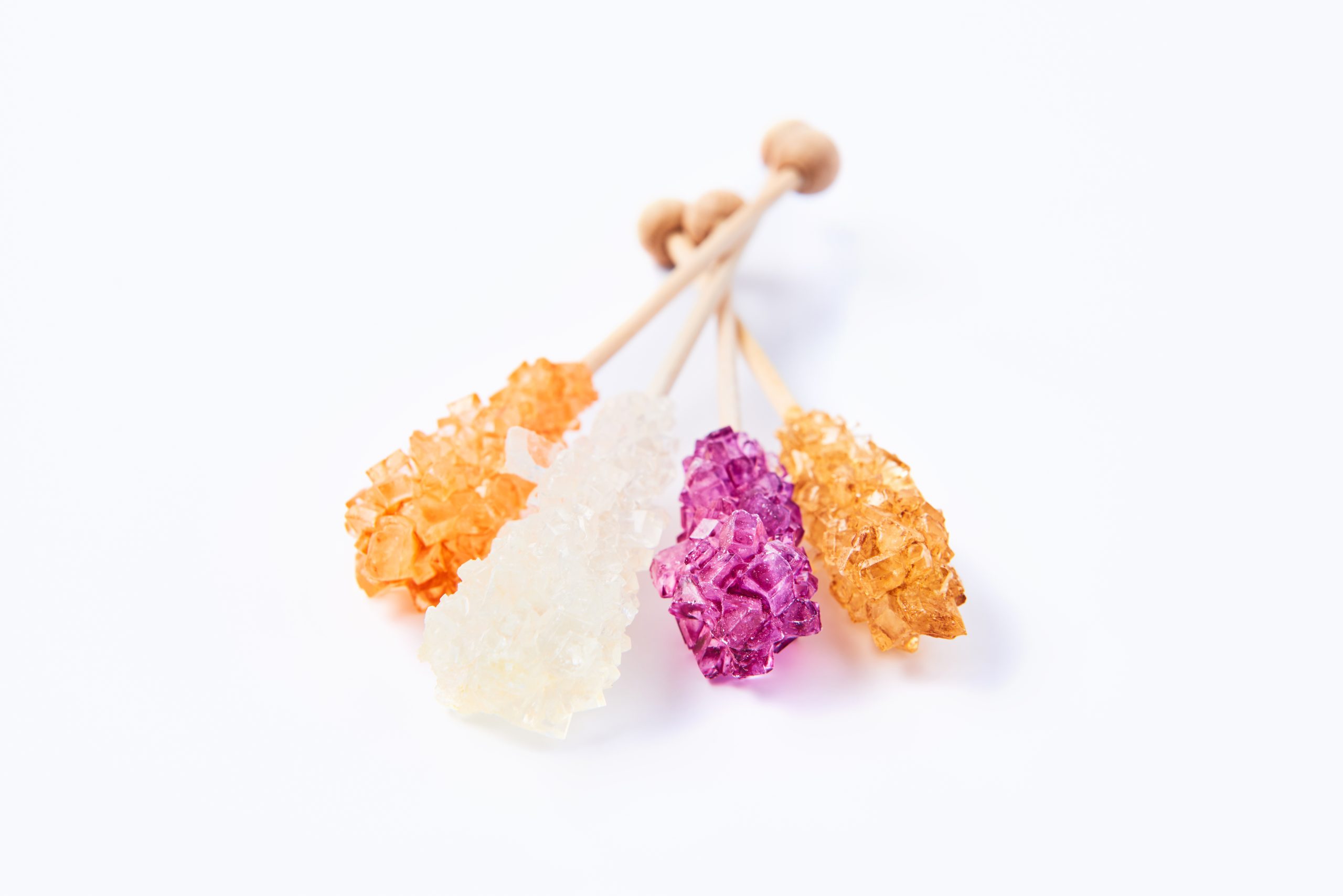
Project: Grow Crystals You Can Eat (Rock Candy)
Concept: Supersaturation and crystallization
What You Need:
• Water
• Sugar (lots!)
• Saucepan
• Wooden skewers or string
• A clothespin
• A jar
How To Do It:
Heat 2 cups of water and stir in 4 cups of sugar until fully dissolved, creating a supersaturated solution. Pour the mixture into a clean jar. Dip a skewer in water, roll it in dry sugar, and let it dry (this helps seed the crystals). Then suspend the skewer in the jar using the clothespin across the top. Leave it undisturbed for about a week and watch crystals slowly grow.
Why It’s Cool: Kids can actually eat the results of their experiment, while learning how solid crystals form from a liquid solution.
HIGH SCHOOL SCIENTISTS (Ages 14–18)
Project: Test How Sunscreen Works with UV Beads
Concept: Ultraviolet radiation and UV protection
What You Need:
• UV-sensitive beads (available online or at science stores)
• Small zip-top bags or clear plastic cups
• A variety of sunscreens (different SPFs, mineral vs. chemical)
• A timer
• A sunny day
How To Do It:
Place an equal number of UV-sensitive beads in several bags or cups. Leave one bag exposed to sunlight with no sunscreen (the control). Coat the outside of the remaining bags with different sunscreens and set them all out in the sun. Start your timer and observe how quickly the beads change color in each bag. Record the results at 5-minute intervals.
Why It’s Cool: Teens get real-time evidence of how UV rays affect us—and which products offer the best
protection. This makes a great science fair topic with real-world relevance.
Bring Out The Scientist In Every Child
From bubbly toddlers to teens on the brink of college, every child can find wonder in science. Whether they’re growing edible crystals, testing UV rays, or zooming balloon cars across the kitchen floor, these projects help kids understand how things work—and fuel a lifelong love of learning.
So set up that experiment, embrace the occasional mess, and get ready to discover together.
Erin Pittman is Editor in Chief of Prince William Living, the mother of three, and a survivor of many science fair projects over the years. From walking on eggs to creating Skittles rainbows, the Pittman kitchen has been the source of many scientific discoveries…and the occasional mess.